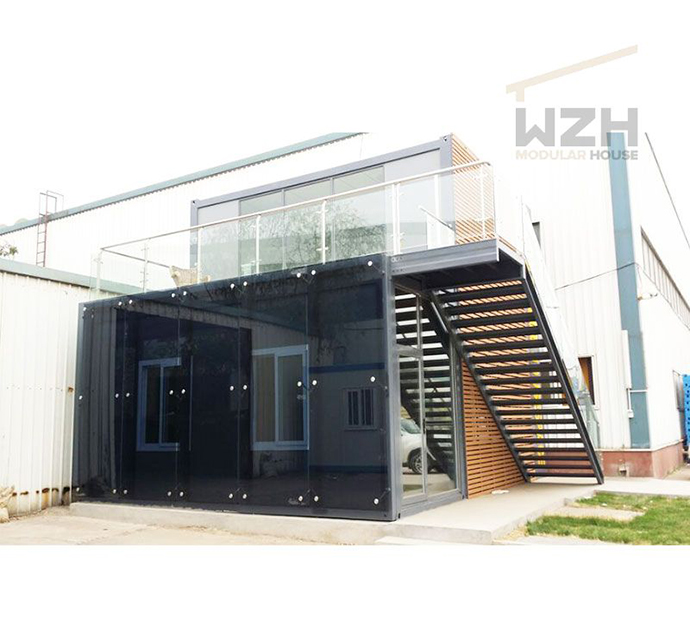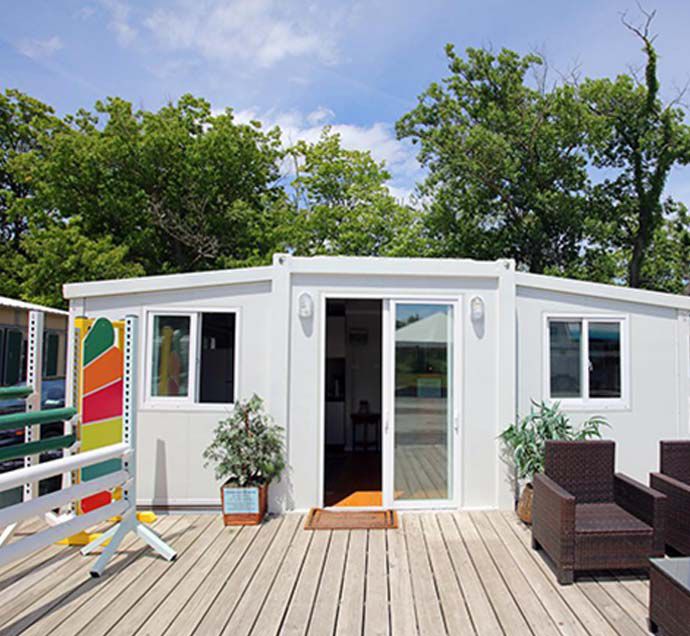
A 20 feet sliding container house cost depends on what the supplier includes: the shell, sliding or expandable mechanism, insulation, interior finishes, delivery, and installation. There is no single price that applies to every project, so an online base price may not reflect the amount you will actually pay. When comparing a 20 feet sliding container house price, a 20ft expandable container house cost, or a 20 foot sliding container home for sale, check the same specifications and calculate the landed cost—not just the factory price. An expandable container home, prefabricated container house, and site-installed modular home can describe different scopes. The bill of quantities, U-value for insulation, and shipping term such as FOB can materially change what a quote means.
Short answer: ask suppliers for a project-specific written quote before relying on a dollar figure. The price can change with the unit design, destination, shipping method, taxes, site access, foundation, utility connections, and local approvals. This guide shows how to find the full cost and identify exclusions. No independently verified customer invoice or buyer case was provided for this article, so it does not invent a testimonial or claim a specific purchase price.

What determines a 20 feet sliding container house price?
The word “sliding” can refer to different designs. It may mean a section that slides out to enlarge the usable floor area, a sliding door, or another movable component. Ask the supplier to name the mechanism and show it on the drawing. A photo or product title alone is not enough to establish the unit’s dimensions, structural system, or included equipment.
1. Unit design and structural specification
Request the closed and deployed dimensions, floor plan, structural drawings, and a description of how the sliding section is supported and locked. Confirm whether the price covers one complete unit, a shell, or a kit that requires local assembly. Check whether the design is intended for your wind, snow, seismic, and occupancy conditions; a general product description does not establish local code compliance.
2. Insulation, windows, and interior finish
Interior lining, floor construction, insulation material and thickness, windows, doors, lighting, bathroom fittings, kitchen equipment, and electrical components can all affect the quote. Ask for the insulation U-value or the test method and product specification, not only a phrase such as “well insulated.” Confirm whether the quote includes wiring and fixtures, and whether local electrical inspection or certification is required.
3. Freight, taxes, and delivery scope
A factory price may exclude packing, export handling, ocean or road freight, insurance, customs charges, import taxes, unloading, and delivery from port to the final site. Compare the named shipping term and exact delivery point. For example, FOB and delivered-to-site offers do not cover the same services. Ask the supplier or freight forwarder to list each charge and identify which party is responsible for it.
4. Foundation, crane, assembly, and utilities
Site costs may include ground preparation, foundation design and construction, a crane or other lifting equipment, assembly, anchoring, water and wastewater connections, electrical service, and access improvements. These costs depend on the actual site and local contractors, so they should not be guessed from the container price. Obtain separate local estimates where the supplier does not include them.
How to calculate the total 20 feet sliding container house cost
Use a consistent landed-cost calculation for every supplier:
Total project budget = unit price + options + packing and export charges + freight and insurance + customs and taxes + port or local handling + final delivery + unloading and installation + foundation and site preparation + utility connections + permits and inspections.
Ask each supplier to mark every line as included, excluded, or not applicable. Keep a separate contingency allowance based on advice from your contractor or project manager; do not treat an unpriced exclusion as free. If a quote is in another currency, record the exchange-rate date and any bank or payment fees separately.
Preparation before requesting a 20 feet sliding container house quote
Gather the details below first. A supplier can only quote consistently when the intended use, location, and specification are clear.
- Project brief: State whether the unit is for a home, office, cabin, or another use, and how many occupants it must serve.
- Site details: Provide the destination address or nearest delivery point, access limits, ground conditions if known, and whether a truck and crane can reach the proposed location.
- Layout and options: Mark required rooms, doors, windows, bathroom or kitchen fittings, electrical provisions, and the sliding or expandable feature.
- Compliance requirements: Ask the local building department or qualified designer what drawings, engineering, energy requirements, and approvals apply. Requirements vary by jurisdiction and intended occupancy.
- Delivery timing: Give a target date, but ask the supplier to state production time, shipping estimate, and what events could change the schedule.
Useful tools: a written specification checklist, site photos and measurements, a spreadsheet for quote comparison, a calculator for totals and currency conversion, and the supplier’s dimensioned drawings. Do not use a product image as a substitute for engineering documents.
Step-by-step: get a comparable 20 feet sliding container house quote
Step 1: Define the exact sliding container house
Tools: project brief, sketch, and measuring tape or site plan. Action: Write down the intended use, required layout, number of rooms, and whether “sliding” means an expandable section or a sliding door. Parameters: Ask for both transport and deployed dimensions, floor area in each configuration, and the weight shown on the technical sheet. Check: Make sure the supplier’s drawing matches the requested layout and clearly labels the moving section. If it fails: Do not compare prices yet; ask the supplier to revise the drawing and identify any options that change the price.
Step 2: Specify materials and included equipment
Tools: specification checklist and product data sheets. Action: List the required insulation, floor and wall finish, windows, doors, plumbing, electrical items, and appliances. Parameters: Request material names, thicknesses, performance data such as U-values where relevant, and quantities. Check: Match each item on the quote to a line on the specification. If it fails: Ask for a revised bill of quantities and mark vague terms such as “standard finish” as unresolved until defined.
Step 3: Confirm local approvals and site conditions
Tools: site plan, photos, and questions for the local building authority or a qualified professional. Action: Confirm zoning, building-permit requirements, foundation needs, utility rules, and any engineering documents needed for the intended use. Parameters: Give the authority the actual location, occupancy, dimensions, and use—not just the product name. Check: Record which documents must be supplied by the manufacturer and which must come from a local engineer or contractor. If it fails: Pause the order and resolve the approval path; a supplier’s general statement that a unit is “compliant” does not guarantee approval at your site.
Step 4: Request a full delivered-cost breakdown
Tools: quote request template and destination details. Action: Send the same specification to each supplier and request separate prices for the unit, options, packing, freight, insurance, delivery, unloading, and installation. Parameters: Require the currency, quote validity period, named shipping term, delivery point, payment schedule, and list of exclusions. Check: Confirm that all suppliers quote the same configuration and destination. If it fails: Ask for a corrected quote; do not fill missing cost lines with assumptions.
Step 5: Verify supplier documents and claims
Tools: supplier checklist and document copies. Action: Request business details, product drawings, material specifications, warranty terms, references you can contact, and any test or certification documents relevant to your project. Parameters: Check that documents identify the same model and configuration being quoted. Check: Verify claims with the issuing body or a qualified professional when the claim affects safety, compliance, or payment. If it fails: Treat unverified claims as unconfirmed and avoid paying for documents or credentials that cannot be independently checked.
Step 6: Compare totals and contract terms
Tools: spreadsheet and contract checklist. Action: Put each quote into the landed-cost formula and record all exclusions. Parameters: Compare identical options, currency basis, delivery scope, warranty, payment milestones, and remedies for delay or damage. Check: Ensure the final contract includes the approved drawing, specification, delivery point, and written price. If it fails: Ask for a contract revision before paying a deposit; a low headline price is not a like-for-like offer.
Step 7: Plan delivery and installation
Tools: delivery access plan, site photos, and installer or crane-provider confirmation. Action: Confirm vehicle access, unloading space, lifting requirements, foundation readiness, and utility connection responsibilities. Parameters: Use the unit’s actual shipping dimensions and weight from the supplier’s documents when checking access and lifting capacity. Check: Get written confirmation from the carrier and installer that the planned access and equipment are suitable. If it fails: Arrange an alternative delivery or lifting plan before shipment, and update the budget and schedule.
How to compare WZH Group and other supplier quotes
If you request a quote from WZH Group or another manufacturer, send the same project brief and ask for the same line-item breakdown. This article does not verify or endorse any supplier’s current prices, certifications, delivery times, or product performance. Check those details directly and independently before ordering. Ask every supplier to confirm whether the quoted unit is factory-only, ready for shipment, delivered, or installed; those descriptions are not interchangeable.
A useful quote comparison table includes: model and drawing revision; closed and deployed dimensions; materials and finish; included plumbing and electrical work; unit price; shipping term and destination; freight and insurance; taxes and customs responsibility; unloading and installation; warranty; lead time; payment schedule; and exclusions. A clear quote makes it easier to see whether a price difference reflects a real specification difference or missing scope.
Common 20 feet sliding container house cost mistakes and fixes
- Comparing a bare shell with a finished unit: Fix it by matching the materials, fittings, insulation, and included services line by line.
- Assuming shipping is included: Fix it by asking for the exact shipping term, named destination, and a breakdown of freight, insurance, handling, and final delivery.
- Ignoring site work: Fix it by getting local foundation, crane, installation, and utility estimates before approving the full budget.
- Assuming “20 feet” defines the usable space: Fix it by checking the manufacturer’s drawing for transport dimensions, deployed dimensions, and interior clearances.
- Relying on an unsupported customer story or low online price: Fix it by asking for a verifiable invoice or reference for the same model and scope. No independently verified buyer case was available for this article, so a testimonial or purchase amount is not presented as fact.
- Overlooking permits and engineering: Fix it by checking requirements for your specific location and intended occupancy before placing an order.
- Paying before the specification is settled: Fix it by attaching the final drawing, bill of quantities, delivery scope, warranty, and payment milestones to the written contract.
Frequently asked questions about 20 feet sliding container house cost
Why is there no single reliable price for a 20 feet sliding container house?
Because suppliers may be quoting different designs and scopes. One offer may cover only the unit, while another includes finishes, freight, or installation. Destination, taxes, site work, and local approvals also vary. A written, project-specific quote is the reliable way to establish your cost.
Does the listed price usually include delivery and installation?
Do not assume that it does. Ask the supplier to state the shipping term, delivery point, unloading responsibility, and whether assembly or installation is included. Confirm local charges separately if they are not itemized.
How can I check whether a quote is complete?
Compare it against your specification and the landed-cost formula in this guide. Every required item should be identified as included, excluded, or not applicable. Ask the supplier to clarify any blank or vague line before signing.
Can a supplier guarantee that the unit will meet local building rules?
A supplier can provide product documents, but local approval depends on the project and jurisdiction. Confirm requirements with the relevant authority and qualified local professionals. Obtain any required engineering and permit approvals before relying on the unit for occupancy.
Summary: budget the full 20 feet sliding container house cost
There is no defensible universal price for a 20 feet sliding container house without a defined model, specification, destination, and delivery scope. Request a written quote that separates the unit from freight, taxes, site work, installation, and utilities; then compare identical specifications using the landed-cost formula. Verify drawings, materials, approvals, and contract terms before paying. Whether you are checking a 20 feet sliding container house price, a 20ft expandable container house cost, or a 20 foot sliding container home for sale, use the same method with WZH Group or any other supplier. Compare the expandable container home or prefabricated container house specification, confirm its U-value and bill of quantities, and include freight under the stated FOB or other shipping term in your final budget.