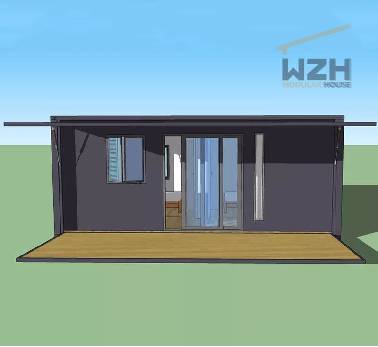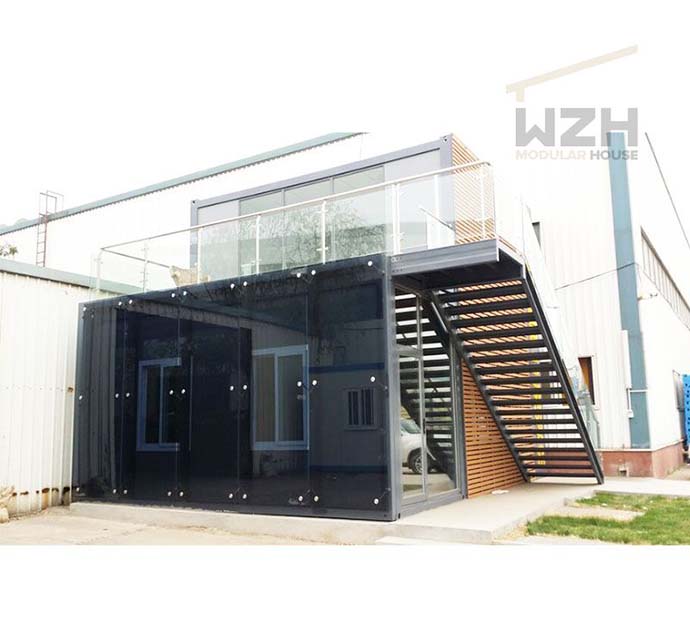
When comparing a luxury expandable container house with a standard model, a higher price does not automatically mean better structure, longer service life, or lower operating costs. The useful comparison is what each quoted package includes, how it performs on your site, and what you will need to add after delivery. WZH Group presents this comparison to help buyers ask the right questions before choosing a configuration.

Buyers commonly want to understand the real cost of the upgrade, the usable space after expansion, insulation and finish quality, utility options, and whether the unit will remain comfortable and stable in everyday use. The specifications below are comparison points, not guaranteed specifications for every manufacturer or model. Confirm dimensions, materials, inclusions, and test documents in the final quotation.
1. What does the luxury upgrade actually include?
Compare the written scope, not the model name
Luxury and standard are package labels, not universal construction grades. One supplier may use luxury to describe upgraded interior panels and windows, while another may include a bathroom, kitchen cabinets, air conditioning, or furniture. A standard unit may also be ordered with many of these options. Ask for an itemized bill of materials and identify which components are included, optional, or excluded.
- Structure: frame material and thickness, corrosion protection, floor construction, and connection details.
- Envelope: wall, roof, and floor insulation materials and thicknesses, plus door and window specifications.
- Interior: wall and ceiling finishes, flooring, cabinets, sanitary fittings, lighting, and outlets.
- Utilities: wiring, distribution board, plumbing, water heater, air conditioning, and any solar or battery package.
- Delivery: packing, shipping, unloading, installation, anchoring, commissioning, and warranty coverage.
A luxury package is worth considering when the upgrades you would otherwise purchase separately are already included, compatible, and documented. It is poor value when the premium mainly reflects a label or attractive renderings without measurable differences.
2. Compare core parameters before comparing prices
Use a like-for-like specification table
The table below shows the areas where the two package types commonly differ. Exact performance depends on the model and options, so treat it as a quotation checklist rather than a product specification. Ask each supplier to fill in actual figures and identify the test method or certificate behind any performance claim.
| Parameter | Standard package, commonly offered | Luxury package, commonly offered | What to verify |
|---|---|---|---|
| Expanded floor area | Depends on shell size and fold-out layout | Often the same footprint, with a different interior package | Transport size, expanded external dimensions, usable internal area, ceiling height, and layout drawing |
| Main frame | Steel frame with supplier-specific sections and coating | May use the same frame as the standard model | Steel grade, member dimensions, coating system, weld details, and structural design documents |
| Insulation | Material and thickness vary by quote | May offer thicker or upgraded insulation and fewer thermal weak points | Material, thickness in millimeters, roof and floor details, and climate suitability |
| Windows and doors | Basic glazing and hardware may be included | May include upgraded glazing, frames, seals, or security hardware | Glazing build-up, frame material, locking system, screens, and replacement availability |
| Interior finish | Functional wall, ceiling, and floor finishes | More finish choices, cabinetry, lighting, and decorative details may be included | Material samples, fire characteristics where required, durability, cleaning needs, and included quantities |
| Electrical and lighting | Basic wiring and lights may be included | May include more outlets, lighting zones, or appliances | Voltage, frequency, circuit protection, load capacity, local code compliance, and appliance list |
| Water and bathroom | May be excluded or supplied as an option | More likely to include bathroom fittings or plumbing options | Pipe materials, water pressure requirements, drainage arrangement, water heater, and connection points |
| Heating and cooling | Often optional or buyer supplied | May include air conditioning or upgraded comfort provisions | Equipment capacity, energy use, refrigerant, installation scope, and suitability for local temperatures |
| Battery and solar | Usually not inherent in the container package | May be offered as an optional off-grid package | Usable battery capacity in kilowatt-hours, inverter rating, solar capacity, warranty, and backup arrangements |
| Installation and warranty | Scope varies by supplier and destination | May include additional service, but this should be stated | Who unloads, assembles, connects, anchors, inspects, and pays for service or replacement parts |
| Total delivered cost | Lower initial quote is possible, with more buyer-arranged items | Higher initial quote is possible, with more included finishes or equipment | Factory price, freight, duties, site work, utilities, installation, taxes, and contingency |
For a fair comparison, request two quotations using the same footprint, room layout, destination, delivery terms, utility assumptions, and required finish level. Compare the total cost to a usable, approved installation rather than comparing factory prices alone.
3. Decide whether the extra comfort is worth the price
Value depends on how often and how long you will use the unit
For a frequently occupied home, staff accommodation, or guest unit, upgrades to insulation, windows, bathroom fittings, and ventilation can improve everyday comfort. These features may also reduce the work required after delivery. For occasional site use or a short-term project, a basic finish may be adequate if it meets local safety requirements and can be upgraded later.
- Potential value in a luxury package: fewer separate purchases, a more finished interior, consistent design, and reduced fit-out time.
- Potential extra costs: shipping for added weight or volume, specialist repairs, replacement of proprietary fittings, and higher insurance or maintenance costs.
- Possible value in a standard package: lower entry price, simpler finishes, and greater freedom to choose local contractors and materials.
- Possible drawback in a standard package: omitted appliances, plumbing, insulation, or installation can make the completed project cost more than expected.
Calculate the premium by subtracting the standard package price from the luxury package price. Then compare that premium with the local cost of adding the same verified upgrades, including labor, freight, and delays. If the luxury package does not provide a clear cost or time advantage, buying the standard model and specifying selected upgrades may be the better choice.
4. Check real-world power use and battery runtime
A battery is an option to specify, not a guaranteed luxury feature
Many expandable container houses connect to grid power, a generator, or a separately designed solar system. Do not assume that a luxury label includes a battery or makes the home energy independent. Ask for the battery chemistry, usable capacity, inverter output, charging method, expected cycle life, operating temperature limits, and warranty terms.
A simple estimate is usable battery energy in kilowatt-hours divided by average load in kilowatts. For example, a battery with 5 kilowatt-hours of usable energy supplying a continuous 0.5 kilowatt load would provide about 10 hours in an ideal calculation. Real runtime will be shorter if there are inverter losses, high startup loads, cold or hot operating conditions, or a reserve that should not be discharged. An air conditioner, electric water heater, or cooking appliance can raise the load substantially.
- List each appliance, its rated power, and the number of hours it runs each day.
- Separate essential loads, such as lights and communications, from high-load appliances.
- Ask the supplier to show the expected runtime calculation and the assumed daily solar conditions.
- Confirm whether the system can support appliance startup surges and whether a generator or grid connection is needed.
In practical use, battery performance depends more on system sizing and operating habits than on whether the container is called luxury. Buyers who need dependable off-grid operation should have the load calculation reviewed for their actual climate and occupancy.
5. Assess stability, weather resistance, and site preparation
Finishes do not prove structural performance
A polished interior does not establish that an expandable house is suitable for a particular wind, snow, seismic, or coastal environment. Stability depends on the structural design, the expanded configuration, the foundation or support points, the anchoring system, installation quality, and local exposure. Request documents that apply to the exact model and intended site.
- Confirm the ground is level, drained, and capable of supporting the unit at its specified support points.
- Obtain the required anchoring details and confirm who supplies and installs the anchors.
- Ask for design limits or certifications for wind, snow, and seismic conditions where relevant.
- Check roof drainage, seals around fold-out sections, corrosion protection, and maintenance access.
- Verify that local authorities permit the proposed use and that required building, fire, and utility approvals can be obtained.
During a site visit or installation, inspect that the unit opens fully, the floor sits evenly, doors and windows operate without binding, and folding joints seal correctly. Any visible distortion, water ingress, or loose anchoring should be resolved before regular occupancy.
6. Weigh the advantages and disadvantages of each option
Choose the package that reduces your biggest project risk
Neither package is automatically better. A standard unit can be a sound purchase when the buyer has a clear specification and local trades available. A luxury unit can be a sensible upgrade when it includes durable, documented components that would otherwise be costly or difficult to coordinate.
- Luxury advantages: more complete fit-out may shorten the path to occupancy; upgraded finishes can improve comfort and appearance; bundled options may simplify procurement.
- Luxury disadvantages: a higher upfront price; some included features may not suit local tastes or codes; specialized parts can be harder to repair far from the supplier.
- Standard advantages: a lower entry cost may preserve budget for site work; simpler finishes can be easier to replace; buyers can prioritize locally available equipment.
- Standard disadvantages: more decisions and contractor coordination; omitted items can create delays; post-delivery upgrades may cost more than anticipated.
Ask what happens if a component fails, how quickly replacement parts can be shipped, and whether local technicians can service the electrical, plumbing, and climate-control systems. These questions can matter more over the life of the unit than decorative upgrades.
7. Match the package to the buyer and intended use
Use the expected occupancy and ownership period to guide the decision
A luxury expandable container house is more likely to suit buyers who plan regular or year-round occupancy, want a finished guest or hospitality space, or have limited time to manage separate fit-out contractors. It may also suit remote projects when the supplier can provide a coordinated package and dependable after-sales support.
A standard expandable container house may suit temporary accommodation, seasonal use, a constrained initial budget, or buyers who already have local contractors and specific material preferences. It can also be a practical choice when the structure matters more than decorative finish and the buyer is willing to manage installation and upgrades.
- Choose luxury when the included comfort, finish, and utility upgrades are verified, appropriate for the site, and cheaper than sourcing them separately.
- Choose standard when your priority is a lower initial outlay, a basic functional layout, or control over local fit-out choices.
- Delay either purchase when structural documents, delivery terms, installation responsibility, or local approval requirements are unclear.
Before signing, obtain an itemized quotation, final drawings, a component schedule, warranty terms, packing and delivery details, and a written list of buyer responsibilities. This makes it possible to compare real offers rather than package names.
Final verdict: Is the luxury upgrade worth it?
Pay for measurable improvements, not the label
The upgrade is worth it when the luxury package delivers verified improvements that matter to your use, such as better thermal performance, durable windows, a complete bathroom, suitable electrical equipment, or a coordinated installation scope. It is not worth paying extra for features you do not need or for claims that are not supported by specifications and service terms.
For most buyers, the safest decision is to compare the delivered and installed cost, confirm stability and local compliance, and calculate power needs separately. WZH Group recommends judging every luxury expandable container house against a clear written checklist so the final choice fits the site, budget, and intended service life.